Engineering

Built to show
its work.

Each answer points back to the record: the documents it relied on, by number and file name, so you can read the passage yourself.

Follow a citation

The path to an answer

  1. Source

    Every document is kept whole, under its own permanent number.

  2. Search

    Stonewall finds the passages that bear on your question, by wording and by meaning.

  3. Cite

    The answer names the documents it rests on.

  4. Review

    You check the passage before you rely on it.

Fictional example

Follow the citation.

Answer

The car in the photographs could not have been the defendants’ Skylark: the marks needed independent rear suspension. A0071 · L88–L96

A0071 · L88–L96

A solid rear axle lifts the inside wheel over a curb cut and the mark breaks. These marks run flat across it. That takes independent rear suspension.

Cited for: independent rear suspension, or the mark breaks.

Deposition of the State’s expert · vito_expert_testimony.pdf

Under the hood

What stands behind an answer.

An answer is only as good as the record under it. This is what Stonewall does with yours.

  • Found two ways

    Stonewall finds the passages that bear on your question by the words you used and by what you meant.

  • Numbered and named

    Every passage keeps the number and file name of the document it came from, and the answer lists the documents it relied on.

  • Kept whole

    Every document is kept in full beside its original file, so you can read a passage where it stands.

How it finds the passage

Stonewall searches the record two ways at once: by your exact words, and for passages that say the same thing in other words. In the workspace you can open any document in full, and the original file it came from.

Stonewall reads text: filings, e-mail, transcripts, Word documents, scanned pages and screenshots. It does not yet transcribe audio or video. The examples on this site are fiction; real case files stay behind sign-in.

What a citation proves, and what it does not

A citation tells you where to look: the document an answer relied on, by number and file name. It does not decide whether a passage supports the point. A lawyer reviews the answer against its sources.

How updates are tested

No update reaches Stonewall untested. Each one has to clear all of these first:

  • The full test run. Every automated test passes, or the update stops.
  • A scan for stray credentials. Every change is searched for passwords and keys before it is accepted.
  • A security scan of the code. The code itself is analyzed for security flaws before it is accepted.

Every build is scanned again before it goes live. A new version is started beside the running one and checked before anyone uses it; if the check fails, the previous version stays in place.

Meet the team
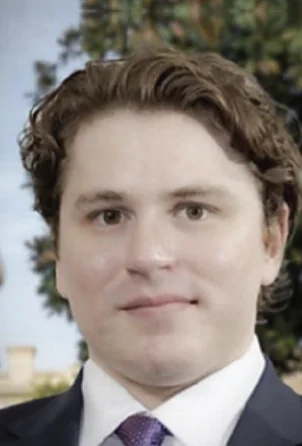
Maxwell A. Kemp

Maxwell A. Kemp, Esq.

Founder

Florida litigation attorney who built the whole thing. Nineteen depositions and a 6–0 record in contested hearings in his first three years of practice. University of Florida, B.A. and J.D.

For every case he handled, he built his own timeline and source map, so he could put a page and line under every assertion.
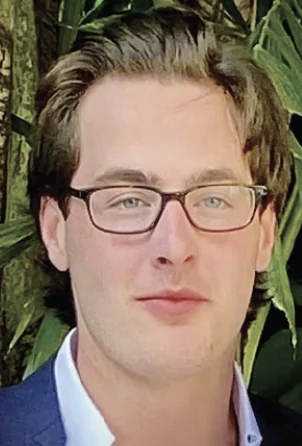
James K. Horan

James K. Horan

Co-founder & Head of Sales

Runs sales along the I-4 corridor, from Tampa through Lakeland to Orlando: relationships, outreach and finding the first firms to use Stonewall.

Driven to help legal counsel execute at their best — delivering every client and matter what they rightfully deserve in the justice system. James is suited precisely to this role, and he excels as an energized shaper of this innovation.

The practice of law is a zero sum game. Litigation is record combat. Whoever can turn the record into verified work product fastest has the advantage.

Maxwell A. Kemp, Esq. Founder